




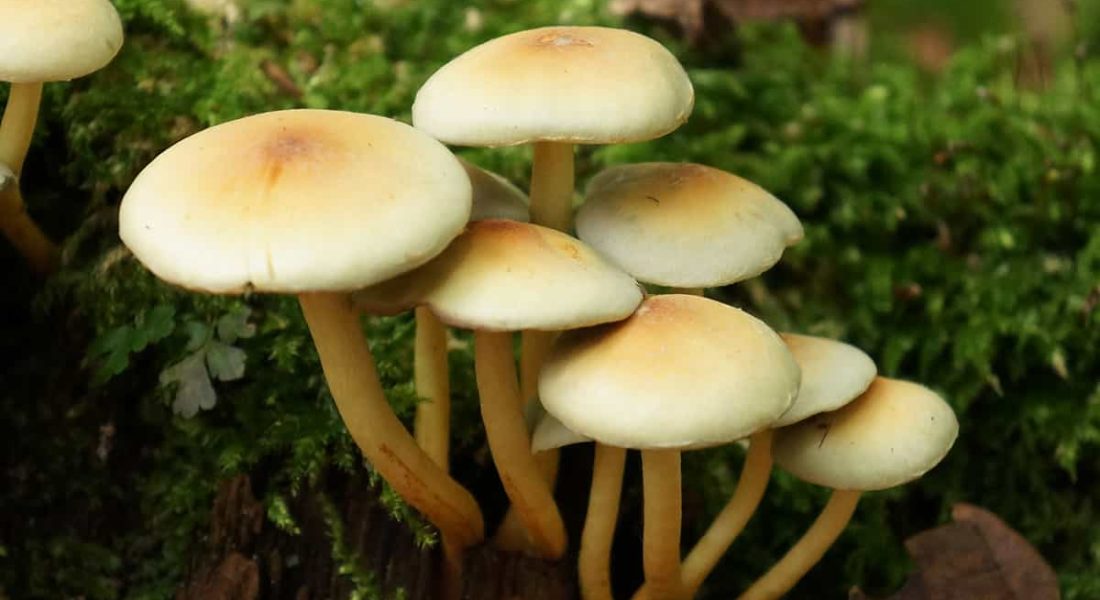
Fungal diseases pose one of the most significant threats to agricultural products, leading to reduced yield and quality. The use of fungicides is one of the most effective methods for controlling these diseases. Due to specific climatic conditions, controlling fungal diseases during winter is of particular importance. This article examines the importance of using fungicides in winter, the types of fungal diseases that can be controlled during this season, the best spraying methods, and key considerations when using these compounds.
The Role of Fungicides in Controlling Winter Diseases
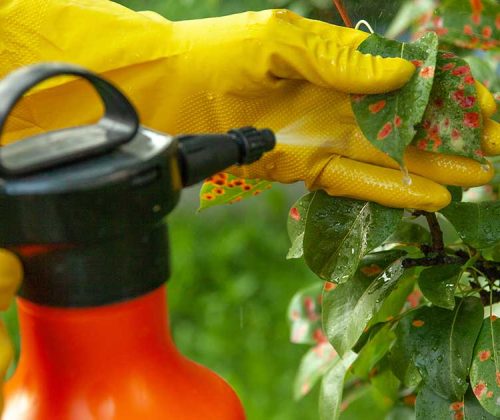
Fungicides are chemical compounds that either kill fungal pathogens or prevent their transmission. In addition to controlling fungi, these compounds are sometimes used to manage bacterial diseases. From mid-winter to early spring, due to a gradual increase in temperature, fungal and bacterial spores transition from their overwintering state and spread in the environment due to spring winds. This increases the risk of infecting healthy plants. Therefore, early control of these diseases in winter is crucial.
Importance of Winter Spraying
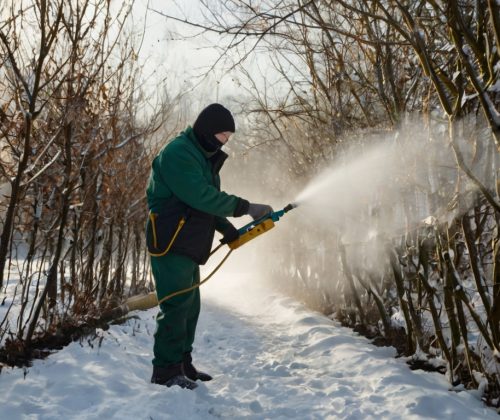
One of the main advantages of winter spraying is reducing the initial infection load in spring. Many plant diseases persist in winter in the form of spores, mycelium, or other resistant structures in plant residues and soil. Implementing control programs during this season can lower the number of pathogens and limit their spread during the growing seasons. Other advantages include reducing the need for frequent spraying in spring and summer, increasing the effectiveness of fungicides, and minimizing the risk of pathogen resistance.