




The Mediterranean fruit fly, scientifically known as Ceratitis capitata, is one of the most destructive agricultural pests worldwide. Its ability to infest a wide variety of fruits and vegetables has made it a significant threat to global agriculture, causing substantial economic losses each year. For farmers and agricultural professionals, managing and eradicating this pest is paramount to ensuring food security and crop sustainability. In this article, we will explore the biology, behavior, and economic impact of Ceratitis capitata, as well as the role of plant pesticides in its control. Additionally, we will discuss the superior solutions offered by Shimi Gostaran Sabz Mamatir, a leading producer of plant pesticides known for their quality, affordability, and excellent after-sales service.
The Biology and Lifecycle of Ceratitis capitata
Ceratitis capitata belongs to the family Tephritidae and is native to sub-Saharan Africa. Over time, it has spread to nearly all temperate and tropical regions of the world due to human trade and transportation. The species’ extraordinary adaptability allows it to thrive in diverse climates, making it a persistent problem in many agricultural zones.
Identification
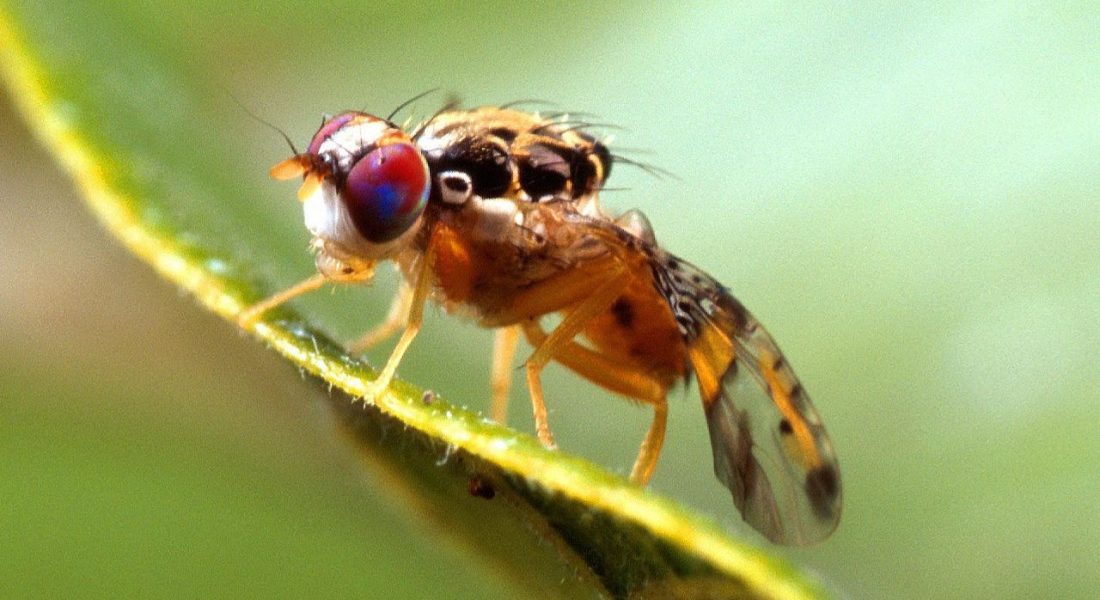
The Mediterranean fruit fly is small, about 3-5 mm in length, with distinctive markings. Its thorax is yellowish-brown with black patterns, and its abdomen is oval with transverse black bands. The wings are clear with brownish-yellow streaks, which distinguish it from other fruit fly species.
Lifecycle
The lifecycle of Ceratitis capitata consists of four stages: egg, larva, pupa, and adult. Understanding its lifecycle is crucial for effective pest control:
- Egg Stage: Female flies lay eggs beneath the skin of ripening fruit. A single female can lay up to 300-400 eggs in her lifetime, depositing them in clusters of 10-20 per fruit.
- Larval Stage: After hatching, the larvae feed on the fruit’s pulp, causing significant damage. This stage lasts about 6-11 days, depending on environmental conditions.
- Pupal Stage: The larvae leave the fruit and pupate in the soil. This stage typically lasts 6-13 days.
- Adult Stage: Adults emerge, mate, and begin the cycle anew. Adult flies have a lifespan of 2-3 months under favorable conditions.
Behavioral Patterns of Ceratitis capitata
Understanding the behavior of Ceratitis capitata is essential for devising effective control measures. These fruit flies exhibit specific patterns that influence their impact on crops:
- Host Preference:
- The Mediterranean fruit fly is polyphagous, meaning it can infest over 200 different host plants. This includes citrus, stone fruits, tropical fruits, and some vegetables, such as tomatoes and peppers.
- Females prefer to lay eggs in ripe or nearly ripe fruits, which provide an optimal environment for larval development.
- Dispersal Ability:
- Adult flies are strong fliers and can travel long distances in search of suitable hosts, often aided by wind currents. This ability makes containment challenging.
- Diurnal Activity:
- The species is primarily active during daylight hours, with peak activity occurring during the early morning and late afternoon.
Economic Impact of the Mediterranean Fruit Fly
The damage caused by Ceratitis capitata is multifaceted:
- Crop Losses: Infested fruits become unmarketable due to larval feeding and decay, leading to significant yield losses.
- Increased Production Costs: Farmers must invest in additional pest control measures, including pesticides, traps, and exclusion nets.
- Trade Restrictions: Countries impose strict quarantine regulations to prevent the introduction or spread of Ceratitis capitata. Exporters from infested regions often face rejection of their produce.
- Loss of Market Value: Even minor infestations can lead to a loss of consumer confidence, reducing the market value of affected crops.
In monetary terms, the global agricultural sector loses billions of dollars annually due to this pest. For example, Mediterranean fruit fly infestations in citrus alone can cause yield reductions of 30-50% in untreated orchards. Therefore, implementing effective control measures is imperative.