





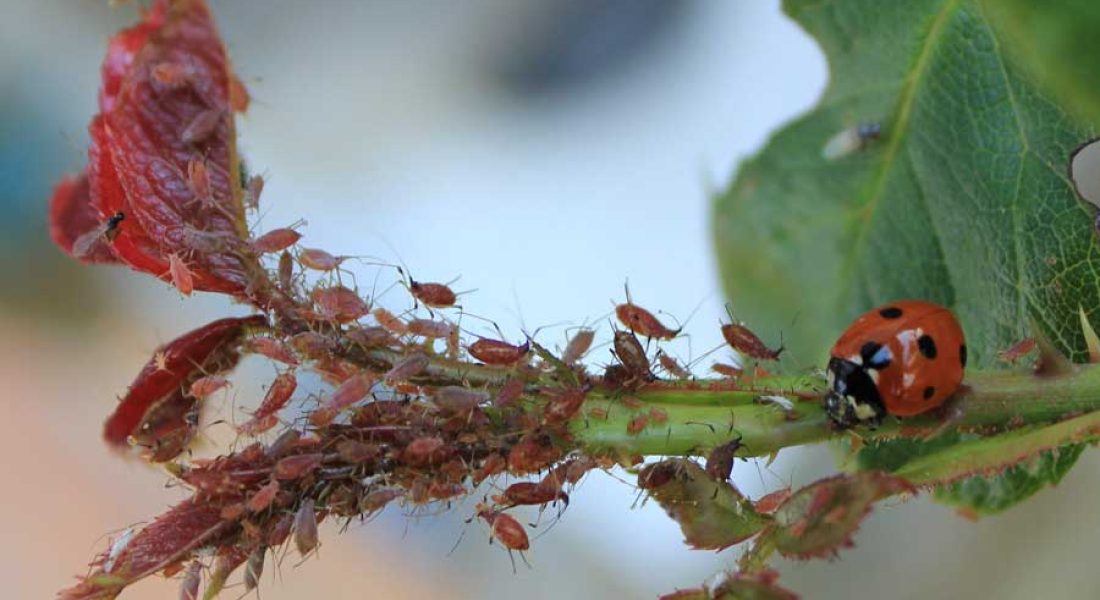
Citrus crops, including oranges, lemons, grapefruits, and limes, are among the most economically valuable fruits globally. Their rich nutritional profile and versatility make them indispensable to consumers worldwide. However, the cultivation of citrus trees is fraught with challenges, particularly from pests and diseases that threaten both yield and fruit quality. This article explores the most common pests and diseases affecting citrus, discusses their impact, and highlights how plant pesticides can serve as an effective and sustainable solution. We also showcase Shimi Gostaran Sabz Mamatir, a leading producer of premium plant pesticides, as your trusted partner in safeguarding citrus crops.
Major Pests of Citrus and Their Impact
1. Asian Citrus Psyllid (Diaphorina citri)
The Asian citrus psyllid is a small, sap-sucking insect that has become infamous as the primary vector for huanglongbing (HLB), also known as citrus greening disease. These insects feed on the sap of young shoots, transmitting bacteria that clog the tree’s vascular system. Symptoms of HLB include yellowing leaves, stunted growth, and misshapen, bitter fruits. Left unchecked, the disease can lead to significant yield losses and eventual tree death.
2. Citrus Leafminer (Phyllocnistis citrella)
Citrus leafminers are tiny moths whose larvae burrow into young leaves, creating winding tunnels or “mines” that disrupt photosynthesis. This weakens the tree and leaves it vulnerable to secondary infections. Severe infestations can stunt the growth of young citrus trees and compromise fruit production.
3. Citrus Thrips (Scirtothrips aurantii)
Citrus thrips are minute insects that feed on young fruits and leaves, causing discoloration, scarring, and deformities. While their direct impact on yield is minimal, the cosmetic damage they inflict can significantly reduce the market value of citrus fruits.
4. Citrus Red Mite (Panonychus citri)
Citrus red mites are common pests that feed on the surface of leaves, causing stippling, discoloration, and premature leaf drop. Prolonged infestations weaken the tree, making it less productive and more susceptible to environmental stress.
These pests not only harm citrus crops directly but also exacerbate the spread of diseases. Effective management is critical to ensure the health and productivity of citrus orchards.




One Response
سلام، این یک دیدگاه است.
برای شروع مدیریت، ویرایش و پاک کردن دیدگاهها، لطفا بخش دیدگاهها در پیشخوان را ببینید.
تصاویر نویسندگان دیدگاه از Gravatar گرفته میشود.