




Description
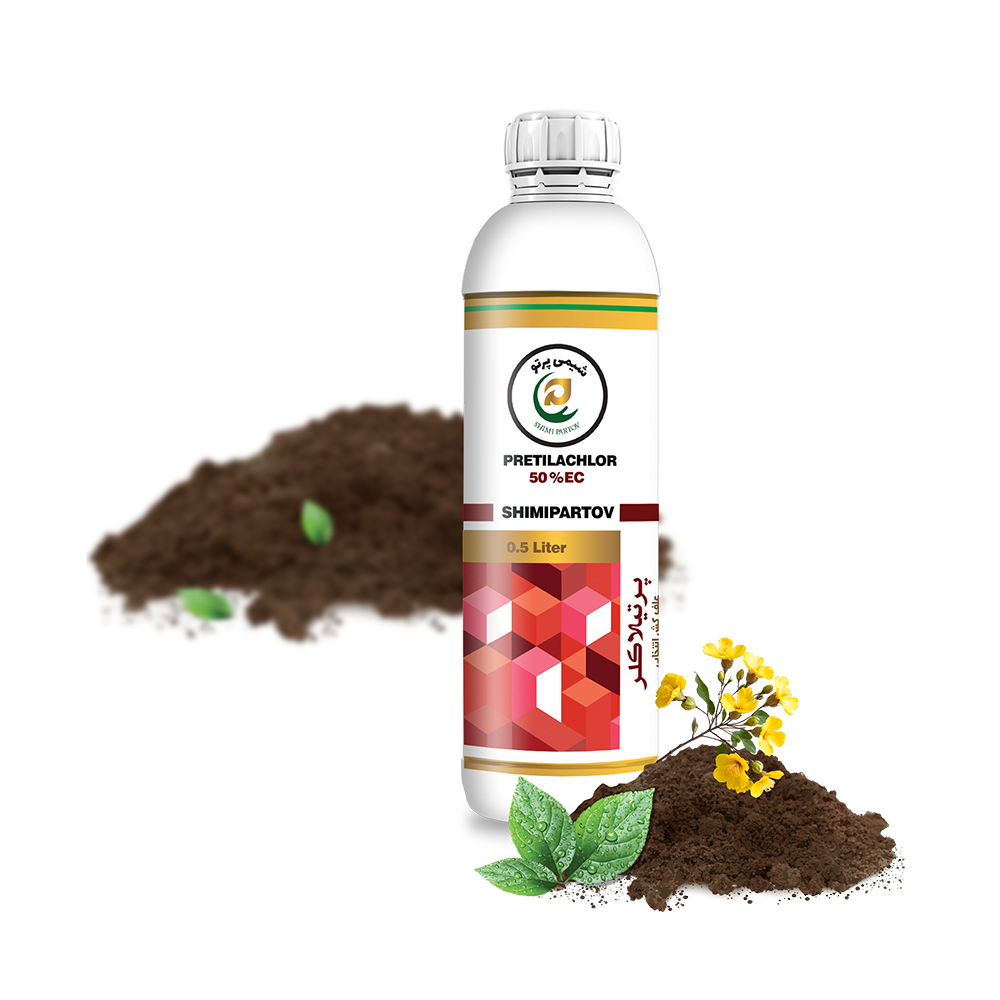
Pertilachlor, with the trade name Rifit, is a selective-systemic herbicide for controlling rice weeds from the chloracetamide group, which inhibits cell division and prevents the synthesis of long-chain fatty acids. It is used pre-emergence in rice fields to control annual thin-leaved weeds (sedges) and some broad-leaved and other weeds such as spoonwort and seeded oyarsalaam. This rice herbicide should be used from 3 days before planting to seven days after transplanting, and in any case, the sedges should not be before two leaves. To use Pertilachlor, the field water outlet must be closed and the field must be watered until the entire surface of the field is covered with water, then the Pertilachlor herbicide is sprayed evenly into the water. This herbicide is absorbed through the coleoptile (the stem of a newly sprouted plant), hypocotyl, mesocotyl, and to a lesser extent, root absorption and destroys the plant. Along with the absorption of water in the paddy field soil, the effect of this herbicide is also lost. The use of this herbicide in direct rice cultivation fields may damage the crop. The toxicity level of this compound (LD50) is 6099 mg / kg. Its shelf life is about 30 days. This compound is toxic and dangerous for goats.
Amount and method of use of Pretilachlor herbicide
In rice fields, 1.5 to 2 liters per hectare of the 50% emulsifiable formulation of Pretilachlor herbicide is used to combat narrow-leaved weeds and some broad-leaved and grass weeds. The farm water should be kept closed for 72 hours and its water should be prevented from flowing out. If the water level has decreased, slowly add water to it.
Poisoning symptoms:
There are no specific symptoms, and most of the symptoms are headache, dizziness, and nausea. Treatment of poisoning with the herbicide pertilachlor is based on clinical symptoms. The antidote for this is the substance.

Reviews
There are no reviews yet.