




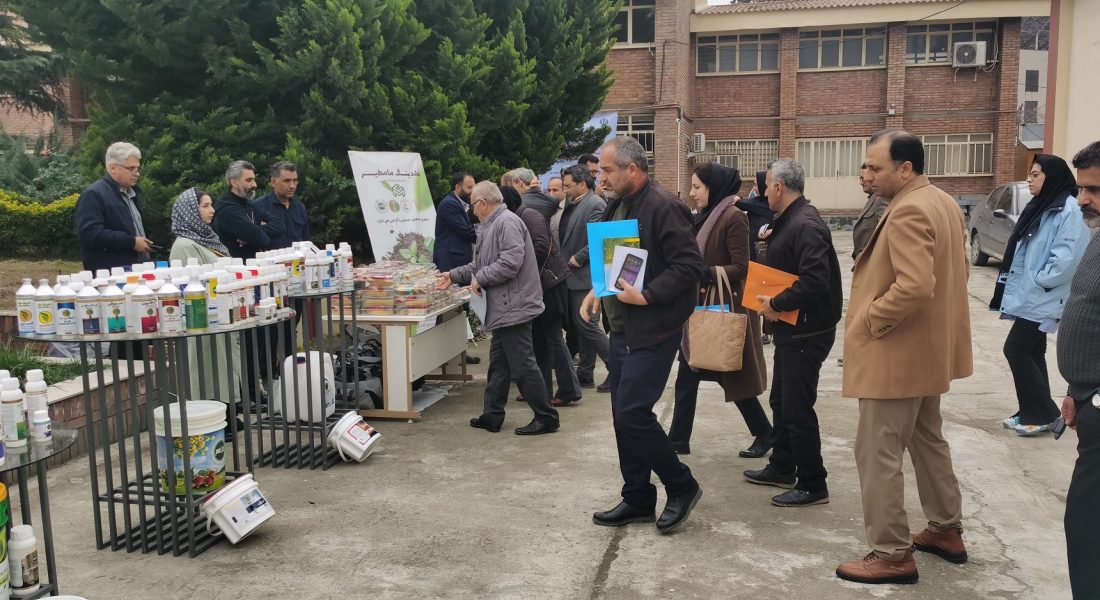
The promotional training workshop on the Rainfed Production Leap Project in Mazandaran Province was held yesterday at the National Skills University Conference Hall in Sari. This significant event, attended by officials, experts, and farmers from the province, was organized by the Execution of Imam Khomeini’s Order Headquarters and the Mazandaran Agricultural Jihad Organization, with sponsorship from Mamatir Holding.
Opening Ceremony and Speech by the Deputy of Crop Production Improvement
The workshop began with a speech by Mr. Bagheri, Deputy of Crop Production Improvement at the Mazandaran Agricultural Jihad Organization. He highlighted the importance of implementing the Rainfed Production Leap Project, designed to increase yield per unit area, reduce agricultural waste, and promote mechanized farming. He emphasized that the project aligns with the macro policies of the Ministry of Agricultural Jihad and is expected to increase rice production in covered areas by 20-30%, serving as a model for sustainable agricultural development in other provinces.
Mr. Bagheri addressed the challenges in the agricultural sector, including water scarcity and the need for optimal land use, stating that this project provides an effective solution to such challenges. He underscored the critical role of education and promotion in the success of the initiative, urging all stakeholders and participants to collaborate actively.
The Rainfed Production Leap Project not only enhances agricultural productivity but also creates employment opportunities in rural and underserved areas. Its implementation reduces dependency on imported agricultural products and strengthens national food security. Furthermore, the use of modern technologies in rainfed farming boosts efficiency and reduces production costs.
Educational Session by Dr. Mohammad Ali Aghajani
Dr. Mohammad Ali Aghajani, a faculty member at the Golestan Agricultural Research and Training Center and editorial board member of the Oilseed Plants Promotion Journal, conducted a two-hour educational session on crop diseases. He addressed diseases affecting cereals, legumes, medicinal plants, oilseeds, and fodder crops.