




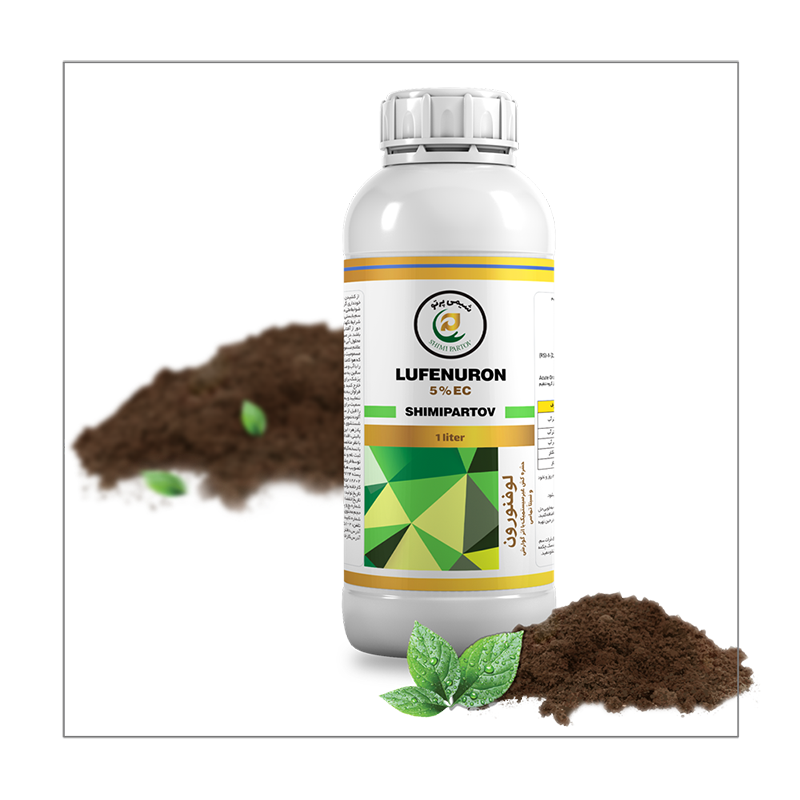
Lufenuron is a chemical compound belonging to the benzoyl urea group, known as an insect growth regulator (IGR). It acts by inhibiting the synthesis of chitin, the main component of the insect’s outer shell. Chitin is essential for the molting of insect larvae, and disruption of its production causes the death of larvae, without significantly affecting the adult insects.
Applications
Lufenuron is used in two main areas:
Agriculture: It is used to control pests such as apple maggots, pistachio psyllids, and leafhoppers in agricultural crops such as rice, millet, and fruit trees. It is applied as a water-dispersible emulsion or granule, and the dosage varies depending on the type of pest and the crop.
Veterinary: In products such as Program®, lufenuron is used to prevent flea infestations in dogs and cats.The drug disrupts the flea life cycle by preventing the eggs from laying and developing into larvae.
How it works and safety
Lufenuron is primarily gastrointestinal, meaning that it must be ingested by the insects to be effective. This makes it a safe option for humans and non-target animals (when used as directed). However, direct skin or eye contact should be avoided. It is important to apply lufenuron at the right time (before the larvae molt) to be effective.
Challenges and recommendations
Overuse of lufenuron may lead to insect resistance. For this reason, experts recommend using it in integrated pest management (IPM) programs and in conjunction with other insecticides. Veterinarians also emphasize that for use in pets, the exact dosage should be determined under the supervision of a specialist.With its combination of effectiveness and relative safety, lufenuron is a valuable tool in pest management, provided it is used carefully and within the framework of programs